





Partners

Add Video to Your Roster
Without Building a Video Arm

Most agencies lose video work rather than turn it away. The client asks, the answer is a maybe, and it quietly goes somewhere else. This is the version where you say yes without hiring anyone.

250+B2B brands served
1,000+Videos delivered
24-48hRaw footage turnaround
2015Presenting since

Trusted by teams at

What it is

Video is the request
most agencies quietly lose.

It shows up the same way every time. A client asks whether you can do video. You can, sort of, through someone. The quote takes a week, the presenter is a question mark, and by the time you answer the moment has passed or they have found a studio directly.

Building the capability is worse. Talent, kit, studio time, and a hire whose utilisation you now have to defend. For most agencies the volume never justifies it, which is exactly why the request keeps getting lost.

The alternative is a presenter you can call on, who does not touch your client relationship unless you want them to, and who makes video a line item you can quote confidently instead of a maybe.

What you actually get

Three ways partners work with me.

Pick the one that matches how you already run. None of them is pushed.

1White-label

Your brand on the front

You own the client entirely. One contract, one invoice, your name on the work. I never appear in the chain and never contact them. Best for production houses and studios who already run delivery.

  • You keep the relationship
  • No direct contact, ever
  • Raw footage in 24 to 48 hours
2Referral

A straight introduction

Some partners do not want to carry margin or project-manage a vendor. Introduce us, I invoice the client, and we agree terms up front. Common with SEO and content shops where video sits outside the retainer.

  • No margin to carry
  • No delivery on you
  • Terms agreed before the intro
3Embedded

Across your whole roster

For fractional CMOs and marketers running several clients at once. Video becomes a standing capability you bring to every engagement rather than a scramble per client.

  • Consistent across clients
  • Predictable turnaround
  • One face your clients get used to
Who this works for

Five kinds of partner,
and what each one gets.

Video production houses and studios. You film all day and the on-camera piece is still the expensive part. Casting, scheduling, the reshoot when the talent reads like they are reading. Raw footage removes that block without touching your edit.

Creative, PR and paid-media agencies with no video arm. You get to answer yes. One important mechanic: video is positioned as client-side budget, an add-on the client pays for, never carved out of your retainer. An agency owner named the failure exactly: "an SEO person might go, I'm gonna spend another three grand on a video that's eating into my budget." That is a solvable framing problem, and it is solved before the conversation starts.

Fractional CMOs and marketers. You already carry a roster. Video is usually the gap you route around. Embedded means it is a capability you arrive with.

eLearning and course producers. The same presenter across every module is the difference between a course and a folder of recordings. INFUSE ran 33 lessons and eight repeat contracts on that basis.

Talent rosters and presenter benches. Passive listing, per-project pull, no commitment either way.

Proof, not promises

Partners who came back.

Every figure below is taken from the client's own case study page.

INFUSE

Eight repeat contracts from a single hiring manager over three years, across seven named courses.

  • 8 repeat contracts, one manager
  • 33 course lessons filmed
  • 7+ named courses fronted
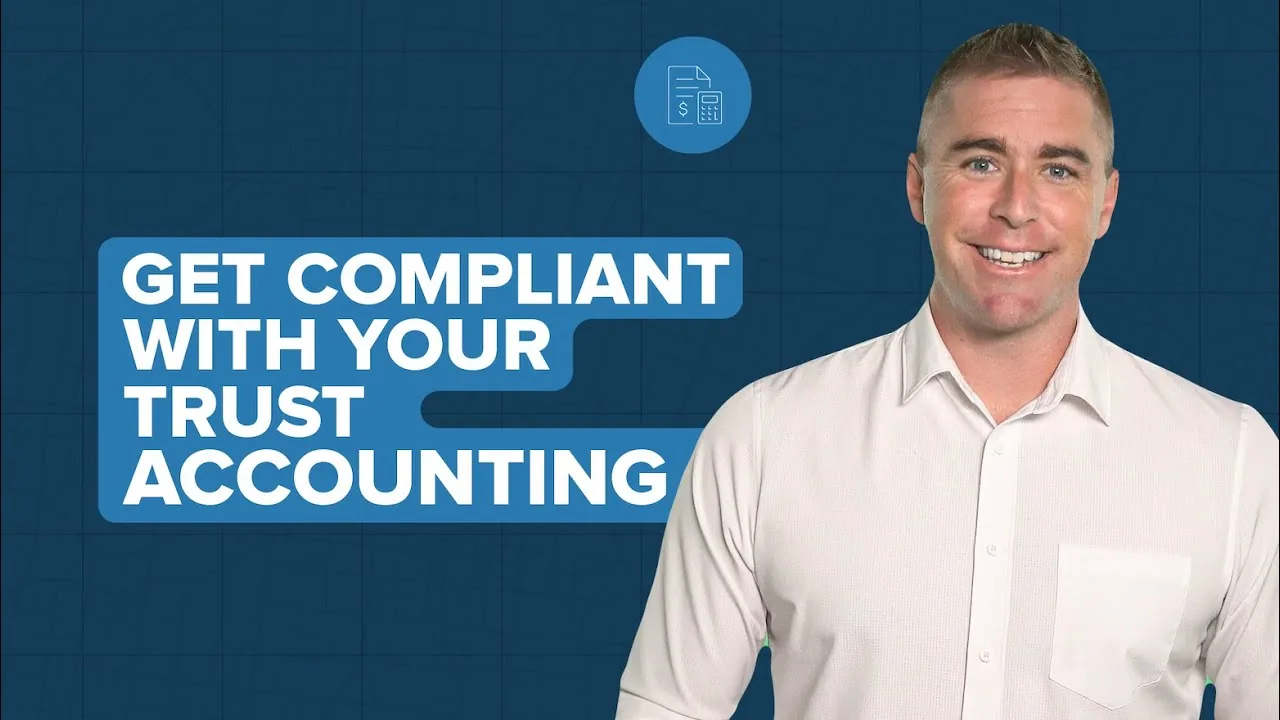
Buildium explainer series

Buildium

Nine separate contracts across eighteen months, with raw files returned in one to three days each time.

  • 9 separate contracts
  • 11 explainers delivered
  • 1 to 3 days raw file turnaround
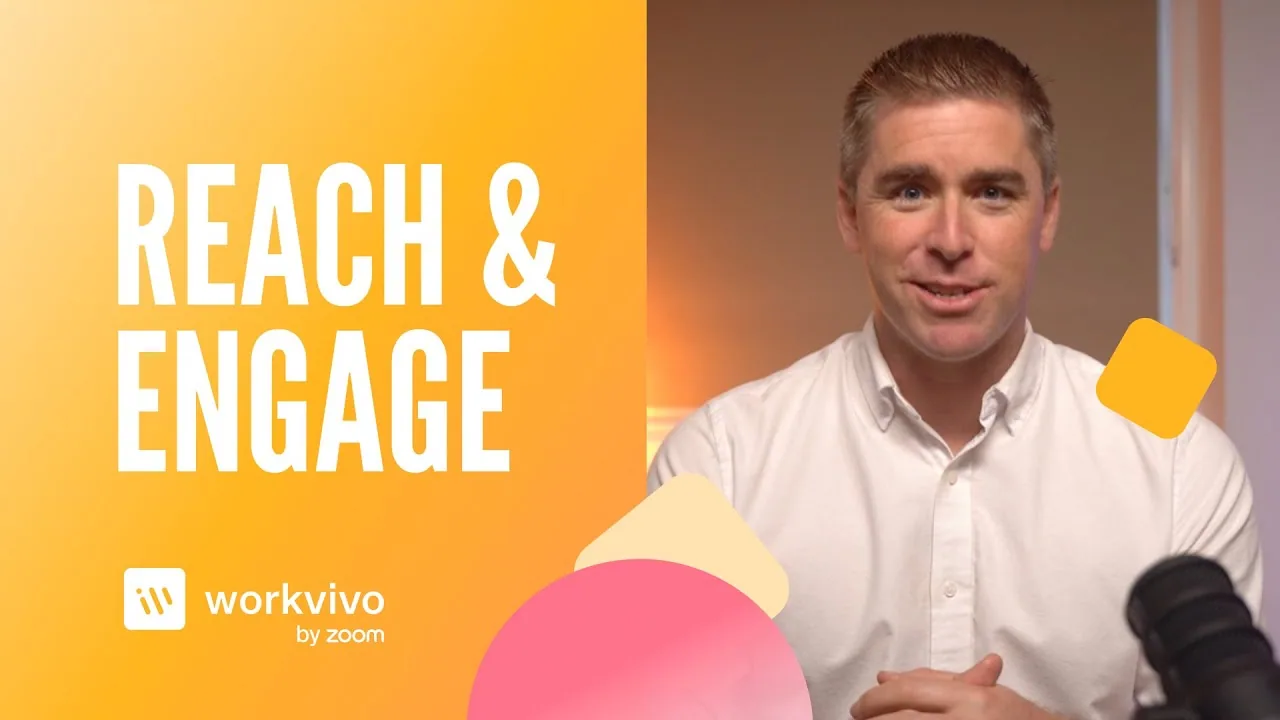
Workvivo presenter engagement

Workvivo by Zoom

Ten bookings across three years spanning channel content, product video and paid social cutdowns.

  • 10 bookings over 3 years
  • 40+ presenter videos delivered
  • 9 days approval to a live Meta ad

"Eric has a very quick turnaround time and delivers professionally."

Kieran W, Workvivo by Zoom
How it runs

How a partnership starts.

1. One call

What you sell, where video keeps coming up, and which of the three mechanics fits how you already run. Twenty minutes, no deck.

2. Terms up front

Rate card, turnaround, usage terms and who owns the client relationship. All settled before there is a live project, never during one.

3. A first project

Small and real. A single video for an actual client, so you find out how it runs before anything depends on it.

4. Standing capacity

If it works, slots get reserved ahead so your client deadlines never wait on my calendar.

The honest bit

What I will not do.

I will not go around you. On white-label work I do not contact your client, appear in the chain, or accept direct work from them afterwards. That is the whole basis of the arrangement and it is worth more to me than any single project.

I will not pretend to be the right fit when I am not. If your client needs a different age, gender, accent or energy, I will cast and direct that person rather than take the booking and hope. And if the project genuinely needs a full production agency, I will say so.

I will not compete with your retainer. Video is positioned as client-side budget, an add-on the client pays for, so it never reads to them as money coming out of the work you already do.

Questions

Partner questions, answered

Will you go direct to our client?

No. On white-label work I never contact them, never appear in the chain, and do not take direct work from them afterwards. That commitment is worth more than any single project, and it is the reason partners send a second one.

White-label or referral, which do most partners pick?

It splits, genuinely. Production houses usually want white-label because they already run delivery and want their name on it. SEO, content and PR shops more often want a direct introduction so they are not carrying margin or managing a vendor. You choose, and you can change your mind per project.

Does this eat into our retainer?

It should not, and the framing matters. Video is positioned as client-side budget, an add-on the client pays for, not a line carved out of what they already pay you. Get that right up front and video stops competing with your own services.

What if your look is wrong for the client?

Then I cast for it. Different age, gender, accent or energy, I find that person and direct them to the same standard. You get the casting judgment without running the search, the auditions or the no-shows.

How much notice do you need?

24 to 48 hours from an approved script for raw footage. Partners running continuous work reserve slots ahead so client deadlines never depend on my availability.

Is there a commitment or a minimum?

No. Send one project or send twelve. Standing capacity is available for partners who want it, and it is something you opt into rather than sign up for.

What does it cost?

Partner rates sit below direct-client rates and are on the rate card, which I will send after a first call. It is not published here because it depends on length and mechanic, and I would rather quote you something accurate than something vague.

Stop losing the video request.

Tell me where video keeps coming up in your client conversations. Twenty minutes, and you will know whether this is worth setting up.