




UGC Video Ads

UGC Ads That Look Like
a Person, Because They Are

User-generated-content style video ads for B2B brands, performed on camera by a professional presenter. The native, unpolished feel that beats a studio ad in the feed, with the reliability of someone who has done it 1,000+ times.

22Qualified leads in 7 days, Fyntra
4xLead lift vs AI-only ads
$5-$6Cost per lead achieved
78%Lower cost per sale, Syroscape

Trusted by teams at

What it is

UGC is a format, not an amateur.

UGC-style video ads borrow the visual language of a real person talking to a phone camera: handheld framing, natural light, direct address, no obvious production polish. That look outperforms glossy brand film in social feeds because it does not read as an ad until the viewer is already listening.

The mistake most B2B teams make is assuming the format requires an amateur. It does not. It requires someone who can deliver a script so it sounds unscripted, hit a hook inside two seconds, and do it again eleven more ways for testing. That is a performance skill, and it is the difference between a UGC ad that converts and one that just looks cheap.

The other route brands try is synthetic UGC, where an AI avatar reads the script. It fails for a specific reason. The entire persuasive premise of UGC is that a real person is vouching for something. Remove the person and the format keeps the informality while losing the only thing that made it work.

Meta video ad produced for Syroscape
What you actually get

Hooks, variations,
and enough of them to test.

Paid social does not reward one perfect ad. It rewards a library you can iterate against.

HHooks

Multiple hooks per concept

The first two seconds decide everything. Each concept ships with several distinct openings so you can find which framing stops the scroll before you spend budget scaling the wrong one.

  • Distinct hook per variation
  • Same core script beneath
  • Cut for cold audiences
FFormats

Vertical, square, landscape

One shoot, every aspect ratio your placements need. Vertical for Reels and TikTok, square for feed, landscape for YouTube and LinkedIn, all framed at capture rather than cropped badly afterwards.

  • 9:16, 1:1 and 16:9
  • Framed at capture, not cropped
  • Captions burned in
VVolume

Enough variations to iterate

Electric Heroes took 22 ad variations across three campaigns from a single engagement. GNO Partners took 37 multi-format ads plus a VSL. Volume is what makes paid social testing possible.

  • Batch produced in one session
  • Consistent presenter across all
  • Named and organised for upload
Why a professional beats a real customer

The awkward truth about
authentic content.

The obvious objection is that real UGC should come from real users. In consumer categories it often does. In B2B it usually cannot, because your customers are busy professionals who will not film eleven hook variations for your ad account, will not reshoot when the offer changes, and cannot legally appear in paid media without a licensing conversation their legal team will slow down for a month.

What works instead is a presenter who performs the format convincingly and is contractually clear from day one. You get the native feel, the iteration speed, and no ambiguity about usage rights when you want to scale spend.

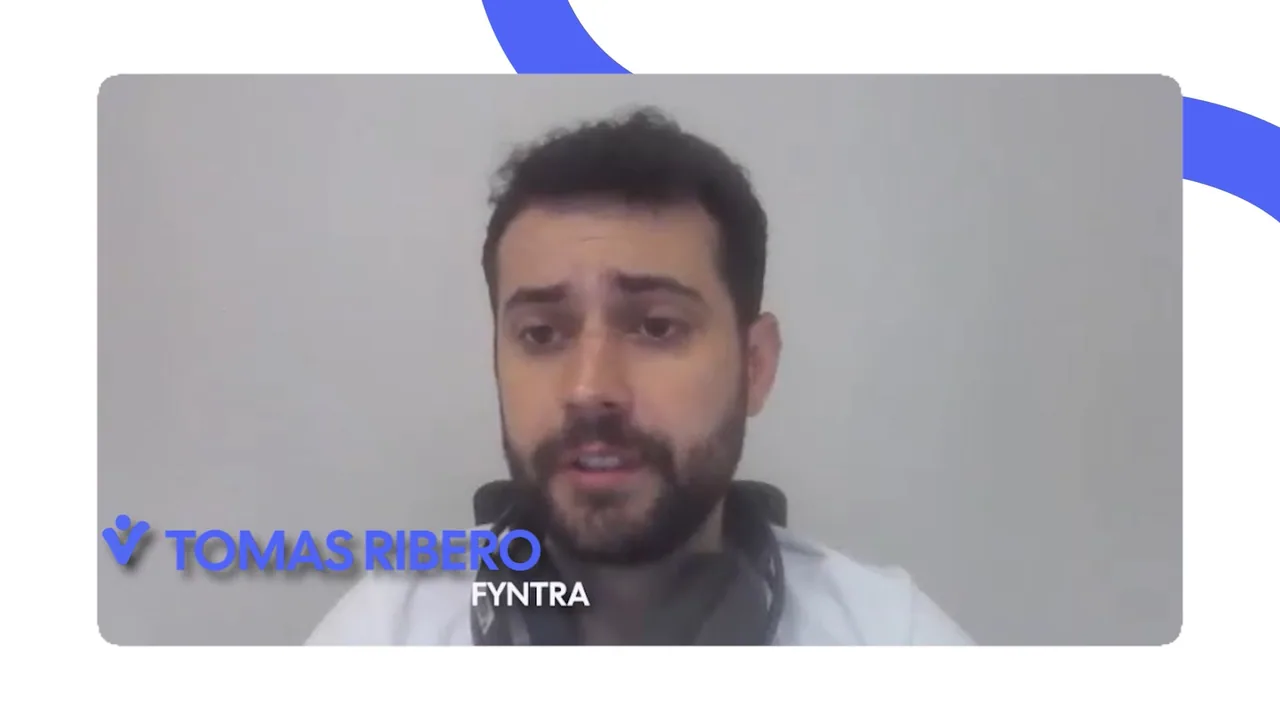
Fyntra had been running AI-generated ads before switching. The presenter-led versions produced 22 qualified leads in seven days at five to six dollars per lead, a fourfold lift over the AI-only creative they replaced. Same offer, same targeting. The variable was whether a human was actually on screen.

Presenter-led UGC ad delivered for Fyntra
Proof, not promises

Four campaigns, four
different definitions of working.

Every figure below is taken from the client's own case study page.

Fyntra presenter-led UGC ad

Fyntra

Fyntra had been running AI-generated video ads. Swapping to a real presenter changed the lead economics inside a week.

  • 22 qualified leads in 7 days
  • 4x lift vs the AI-only ads
  • $5-$6 cost per lead

"This was the first time I hired an actor, and it has been a really good experience. Eric's delivery was fluid."

Tomas Ribero, Fyntra

Read the Fyntra case study

Syroscape Meta video ad

Syroscape

Three Meta ads built on human-led education before the click, measured against the other ad sets already running on the same account.

  • 78% lower cost per sale vs other ad sets
  • 3 Meta video ads delivered
  • Scaled spend once efficiency held

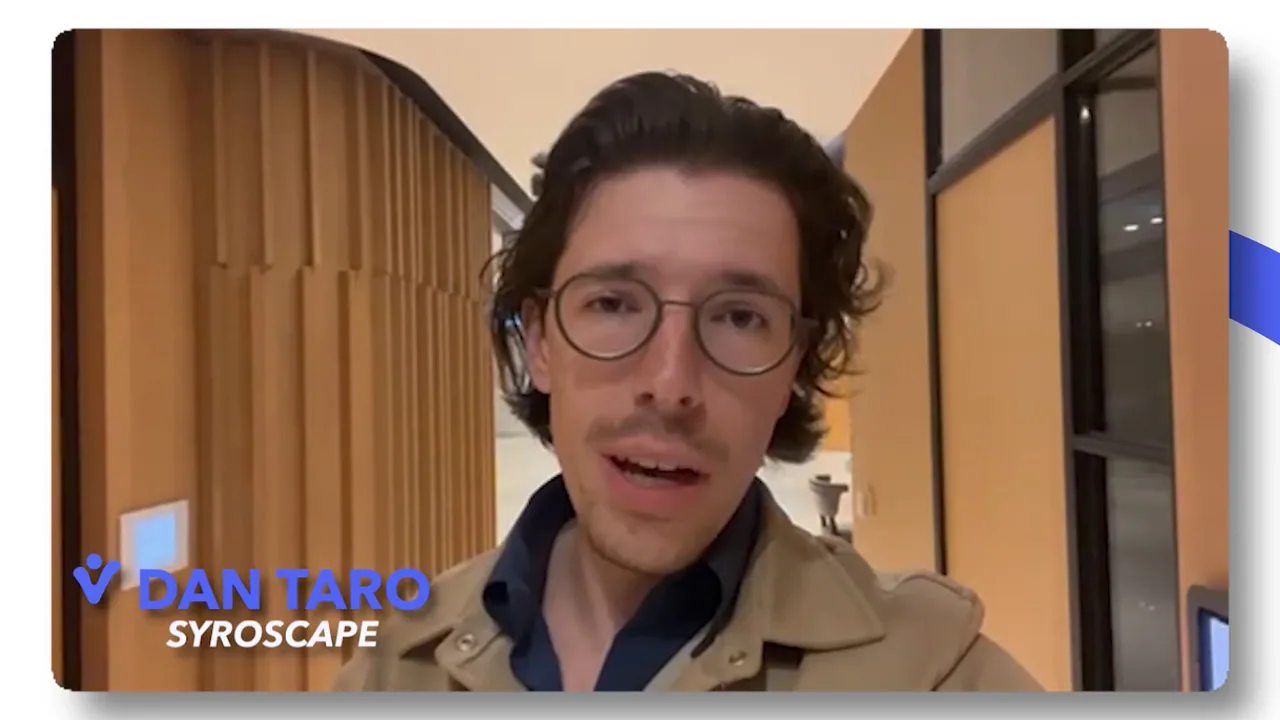
"Before Eric, we were bogged down managing editors and trying to piece together assets that just weren't converting."

Dan Taro, Founder and CEO, Syroscape

Read the Syroscape case study

Electric Heroes presenter-led ad variation

Electric Heroes

A volume engagement built for iteration: 22 variations across three campaigns, produced to keep a Meta account fed.

  • 22 ad variations across 3 campaigns
  • 3x+ ROAS sustained on Meta
  • $6,000+ production cost saved

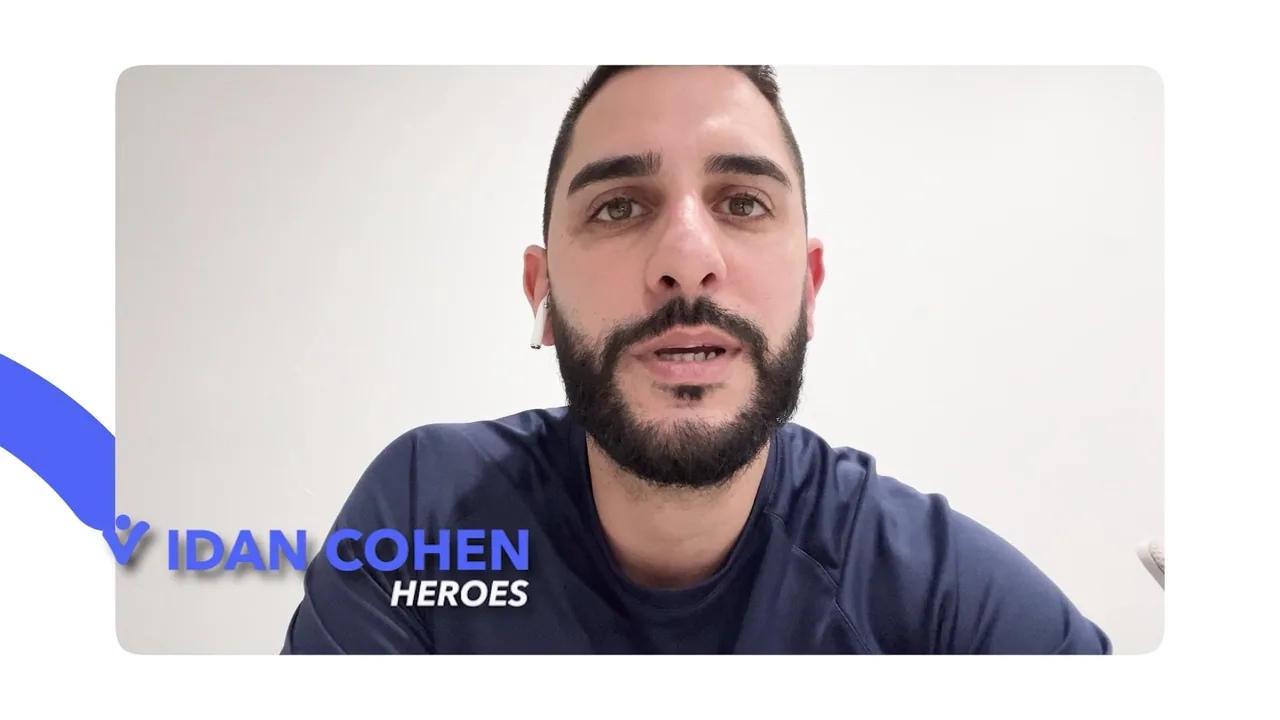
"I would recommend everybody that's looking for this type of commercial or spokesman. Super recommended."

Idan Cohen, Electric Heroes

Read the Electric Heroes case study

How it runs

One shoot. A library of ads.

1. Offer and angles

We agree what the ad has to sell and which angles are worth testing. You bring the offer; I bring opinions about which hooks tend to survive contact with a cold feed.

2. Scripts and hooks

Short scripts, several hook variants per concept. You approve the words before anything is filmed.

3. One session

Every variation captured in a single production session, framed for all three aspect ratios at capture rather than cropped later.

4. Delivered ready to upload

Captioned, named, organised by concept and format so your media buyer can load them without a conversation.

What to expect

Ads decay. Plan for it.

Paid social creative has a shelf life. Frequency climbs, the audience stops responding, and cost per result drifts up regardless of how good the ad was on day one. The teams that keep performance stable are the ones with new creative already queued rather than commissioned in a panic after the drop.

That is why these engagements are built around variation count rather than a single hero asset. BusinessLoans.com is the exception that proves the rule: one hero ad held positive ROAS for over six months and became the highest-performing ad in the company's history. That happens occasionally. It is not a plan.

If you are running paid social continuously, budget for creative refresh on a cadence rather than as an emergency.

Questions

UGC video ad questions, answered

Is this real UGC if it uses a professional presenter?

It is UGC-style, and we say so plainly. The format, framing and delivery follow UGC conventions because those conventions perform. The performer is a professional, which is what makes it possible to produce eleven variations, reshoot when the offer changes, and license the footage for paid media without a legal delay. If you specifically need footage from a verified customer of yours, that is a different product and we will say so.

Why not use an AI avatar for UGC ads?

Because the persuasive logic of UGC is that a real person is vouching for something. Synthetic presenters keep the casual format and remove the only ingredient that made it work. Fyntra ran AI-generated ads before switching, and the presenter-led versions produced a fourfold lift in leads on the same offer.

How many variations do we actually need?

Enough to find a winner and then keep feeding the account. Electric Heroes took 22 across three campaigns. GNO Partners took 37 plus a VSL. If you are testing seriously, think in tens rather than ones.

Do you write the scripts?

Usually. Plenty of teams arrive with a script and just need it performed, which is fine. If it is written for the page rather than the camera I will say what I would change and why before we shoot.

Can we use the footage in paid ads?

Yes, that is the point of it. Usage for paid media on the campaign it was made for is covered. Repurposing into shorts and snippets from the same campaign is fine. Broadcast television, film and radio need a separate licence, and the footage is never used to train AI models or to clone the presenter.

How quickly can we have them?

Typically two to three weeks from brief to delivery. EyeFly Digital had a full VSL plus three ad variations turned around in 24 hours from shoot to handoff when the deadline demanded it.

Get ads that look like a person.

Tell me the offer and where the ads are running. I will tell you how many variations it actually needs.