




Explainer Video

Explainer Videos With
a Real Human. Not a Cartoon.

Most explainer video companies sell you animation. We put a person on screen who explains the thing and takes responsibility for the claim. For the B2B buyers who find cartoons faintly insulting, that difference decides it.

10xProjected campaign ROI, For Those Who Served
$25,000+Production saved on that project
33Videos in 8 weeks, crypto platform
$7,000+Saved vs contractors, OtherWeb

Trusted by teams at

What it is

An explainer answers
one question properly.

An explainer video takes something the viewer does not currently understand and leaves them understanding it. That is the entire job. Usually sixty to a hundred and eighty seconds, usually near the top of a funnel, and almost always the first real explanation a prospect receives after an ad or a search result got their attention.

The reason so many explainers fail is that they are written as summaries of the product rather than answers to a question. A summary lists what exists. An answer starts where the viewer's confusion actually is, resolves it, and stops. Those produce very different scripts even when the underlying product is identical.

The format splits into two schools. Animated explainers use motion graphics and voiceover. Presenter-led explainers put a person on camera with graphics supporting them. Both work; they work for different buyers and different price points, and being honest about which is which is more useful than pretending one is universally better.

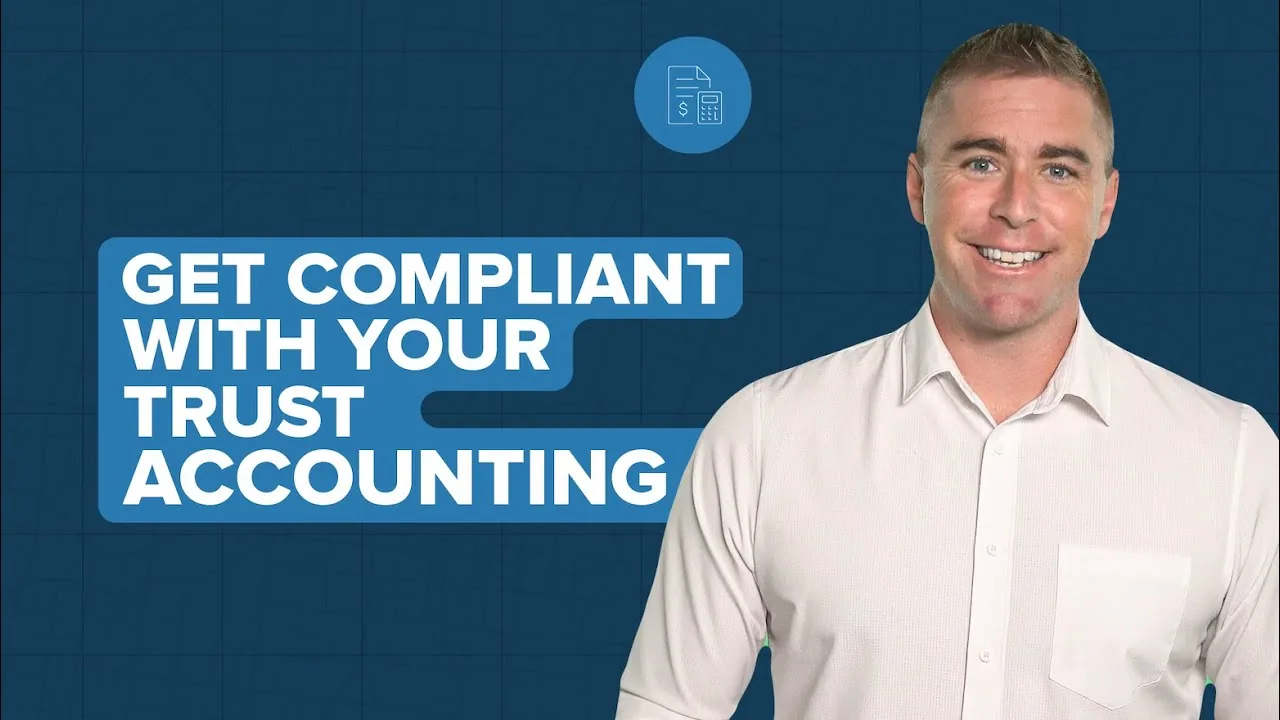
Presenter-led explainer produced for Buildium
What you actually get

Product, concept,
and category explainers.

Three different confusions to resolve, three different scripts.

PProduct

What it does and why it matters

The sixty to a hundred and twenty second version a buyer can follow without a demo. Screen capture underneath, a presenter on top carrying the argument and deciding what to skip.

  • Scripted from your positioning
  • Product UI integrated
  • Cut for site, ads and sales email
CConcept

The idea before the product

For anything where the problem has to land before the solution makes sense. A person does this better than animation because the viewer is judging whether to trust the framing, not just following a diagram.

  • Problem-first structure
  • Analogy and story over features
  • Built for cold audiences
KCategory

When you are creating the category

If buyers have no existing name for what you do, the explainer has to teach before it sells. Longer, education-led, and it needs a named human whose credibility carries the lesson.

  • Education-led script
  • Named presenter with a track record
  • Repurposable into a series
Animated or presenter-led

An honest comparison,
including where we lose.

Animation genuinely wins in several situations and it is worth saying so. If your product is abstract infrastructure with nothing visual to show, if you need to depict a process that does not physically exist, if your brand system is illustration-led, or if you need the same video localised into nine languages cheaply, animation is the better choice and we are the wrong studio.

Presenter-led wins when trust is the bottleneck rather than comprehension. High-consideration B2B purchases, categories crowded with similar-sounding claims, founder-led or expertise-led brands, and anything where the buyer is quietly asking who is behind this. A face answers that question directly; an animated character cannot, because there is nobody to hold accountable.

There is also a cost structure difference worth knowing before you get quoted. Animation is priced per second of motion, so a three-minute animated explainer costs roughly three times a one-minute one. Presenter-led production concentrates into a shoot day, so runtime affects the price far less. Short videos can favour animation on cost. Past about ninety seconds it usually flips.

Presenter-led explainer for For Those Who Served
Proof, not promises

Explainers that moved
a number.

Every figure below is taken from the client's own case study page.

For Those Who Served presenter-led explainer video

For Those Who Served

Four presenter-led explainers for a campaign launch, produced against full-service agency quotes that had come in far higher.

  • 4 explainer videos delivered
  • 10x projected campaign ROI
  • $25,000+ production cost saved

"We got nothing but positive feedback and attention from the videos. It really accomplished our goal."

Kris McCaslin, For Those Who Served

Read the For Those Who Served case study

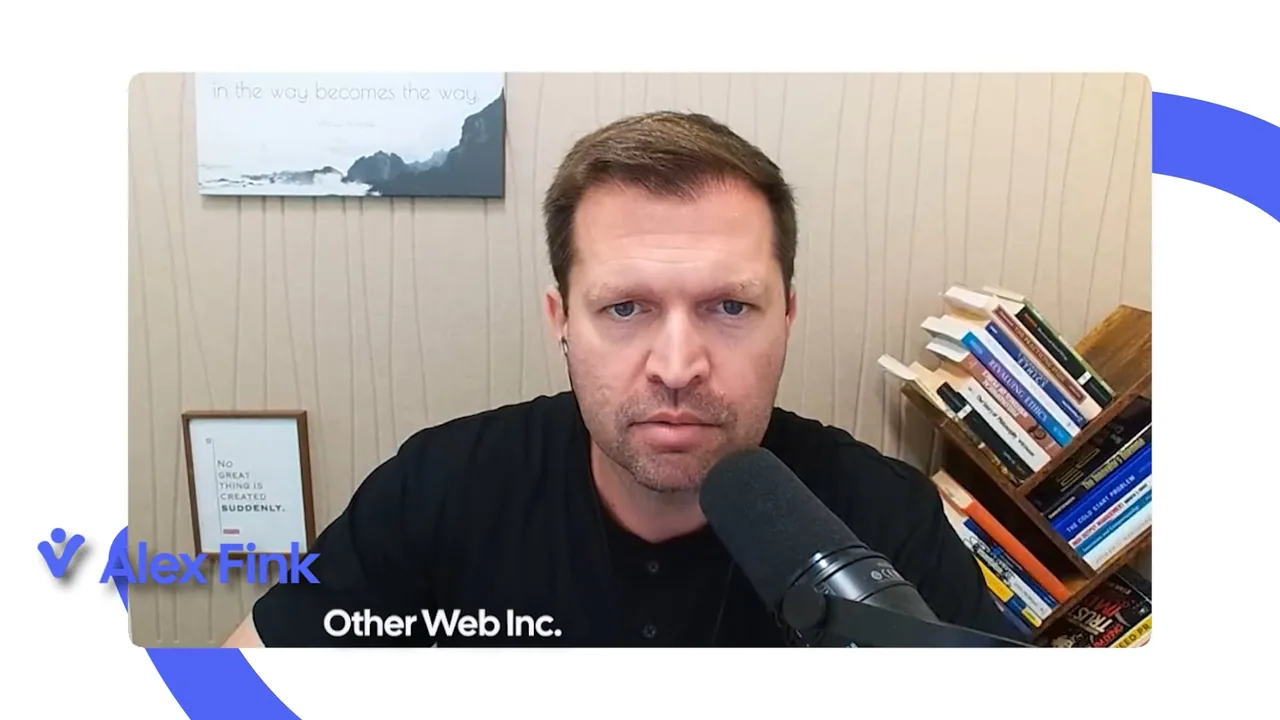
OtherWeb presenter-led explainer

OtherWeb

Two presenter-led videos delivered in days, replacing a rotating-contractor approach that had produced inconsistent quality.

  • 2 videos delivered in days
  • 30+ hours internal production time saved
  • $7,000+ cost saved vs contractors

"The very first video we received was one of our best assets. People asked why we weren't using it more."

Alex Fink, OtherWeb

Read the OtherWeb case study

Buildium explainer video series

Buildium

Eleven explainers across nine separate contracts, measured against the channel's own median rather than raw views.

  • 2.6x to 3.8x channel median on the top three
  • #5 of 51 channel rank of the first video
  • 11 explainers across 9 contracts
How it runs

Question first, script second.

1. Find the question

We work out what the viewer actually does not understand. This is the whole job and it is where most explainers go wrong before a word is written.

2. Script

Written to answer that question and stop. You approve every word before anything is filmed.

3. Shoot and capture

Presenter filmed in studio, supporting graphics and product capture assembled around the argument rather than decorating it.

4. Deliver

Edited, captioned, cut for site, ads and sales use. Unlimited revisions until it is right.

Length and placement

Sixty to ninety seconds,
almost always.

For a homepage or product page explainer, sixty to ninety seconds is the working range. The viewer has not committed to anything yet and the video is competing with the rest of the page. Past two minutes at that stage you are asking for attention you have not earned.

Longer explainers work when the viewer has actively sought the explanation out: a resources page, a sales follow-up, a search result for a specific question. There, three to five minutes is fine because the intent is already established.

The most common mistake is one long explainer doing three jobs. Splitting it into a short site version and a longer sought-out version outperforms the compromise almost every time, and both can be cut from the same shoot.

Questions

Explainer video questions, answered

Do you make animated explainer videos?

Not as the main event. We use motion graphics and screen capture to support a presenter, but the video is built around a real person on camera. If you want a fully animated explainer with no human in it, we are the wrong studio and will say so on the first call rather than take the project.

When is animation actually the better choice?

When there is nothing visual to show, when you need to depict a process that does not physically exist, when your brand system is illustration-led, or when you need cheap localisation into many languages. Those are real advantages and we will point you elsewhere if that is your situation.

What does an explainer video cost?

It depends on length, how much is presenter-led, and how many formats you need. We wrote up the published industry ranges and the six things that actually move the price: see what an explainer video costs.

Why not an AI avatar?

The persuasive value of a face is that a viewer believes someone is accountable for the claim. A synthetic presenter keeps the format and removes exactly that. AI helps us edit and clip. It never appears on screen and it never will.

How long does one take?

Typically two to three weeks from brief to final cut. Faster is possible when the script is settled. OtherWeb had two videos delivered in days, and a crypto platform engagement produced 33 finished videos in eight weeks.

We are not based in the US. Does that matter?

No, and it is a common reason people call. Around one in five clients here sits outside the US, UK, Canada and Australia. If you are selling into English-speaking markets and want a presenter your buyers read as native, that is precisely the job.

Get your product explained by a person.

Tell me what your buyer does not understand yet. That is the script.