





Talking Head Video

Talking Head Video,
Done by Someone Who Can

The simplest format in video and the least forgiving. One person, one frame, nothing to hide behind. When it works it is the most trusted thing you can put on a page. When it does not, everybody clicks away by second eight.

59%Average watched, HighGear
~50%Wistia B2B benchmark
105 secAvg watch on a 3-minute video
1,000+Videos delivered

Trusted by teams at

What it is

One person. One frame.
Nowhere to hide.

A talking head video is exactly what it sounds like: a person speaking directly to camera, usually in a controlled setting, with minimal cutaways. It is the format behind most explainers, course modules, executive updates, sales videos and thought-leadership content, and it is the oldest format in the medium because it is simply a person talking to you.

It is also the format with the least margin for error. There is no animation to carry a flat delivery, no b-roll to cut away to when the energy drops, no music bed to paper over a stumble. If the person on screen is not engaging, there is nothing else on screen to be engaging instead. That is why so much internal talking head content goes unwatched.

The upside is proportional. When it works, a talking head video is the highest-trust asset you can publish, because the viewer is doing what humans have always done: reading a face while it makes a claim and deciding whether to believe it.

Long-form presenter video for OptiMonk
What you actually get

Where talking head
actually earns its keep.

Three jobs where a single person on camera outperforms anything more elaborate.

EExplain

Explaining something complicated

When a viewer needs a concept before they need a product, a person walking them through it beats animation. The pacing adapts, the emphasis lands, and the explanation feels like teaching rather than marketing.

  • Screen capture layered underneath
  • Chaptered for rewatching
  • Cut for site and sales email
TTeach

Course and training modules

Structured learning where the same face appears across every module. Consistency is the point. Anagram has run 111 finished training videos this way since 2023 with one presenter throughout.

  • Consistent presenter across modules
  • 8 to 12 minute cuts
  • LMS-ready exports
SSell

Sales and follow-up video

Outbound video, proposal walkthroughs, and confirmation videos. Short, direct, and personal enough that the recipient feels addressed rather than marketed at.

  • Short-form, direct address
  • Personalised openings available
  • Fast turnaround
Why most talking head video fails

The format is not
the problem.

Teams conclude talking head video does not work for them after filming their own and watching the retention graph collapse. The format is rarely the cause. The cause is almost always one of three things: the person was reading rather than speaking, the first eight seconds contained no reason to keep watching, or the energy level that felt natural in the room reads as flat through a lens.

That last one catches almost everyone. Cameras compress energy. A delivery that feels perfectly animated while you are doing it plays back noticeably subdued. Professional presenters compensate by performing slightly above their natural register, which feels strange to do and looks correct on screen. It is a learned skill, not a personality trait.

HighGear's presenter-led video held 59% average watched against a Wistia B2B benchmark of roughly 50%, with an average watch time of 105 seconds on a three-minute video. Same format that fails for most teams, different execution.

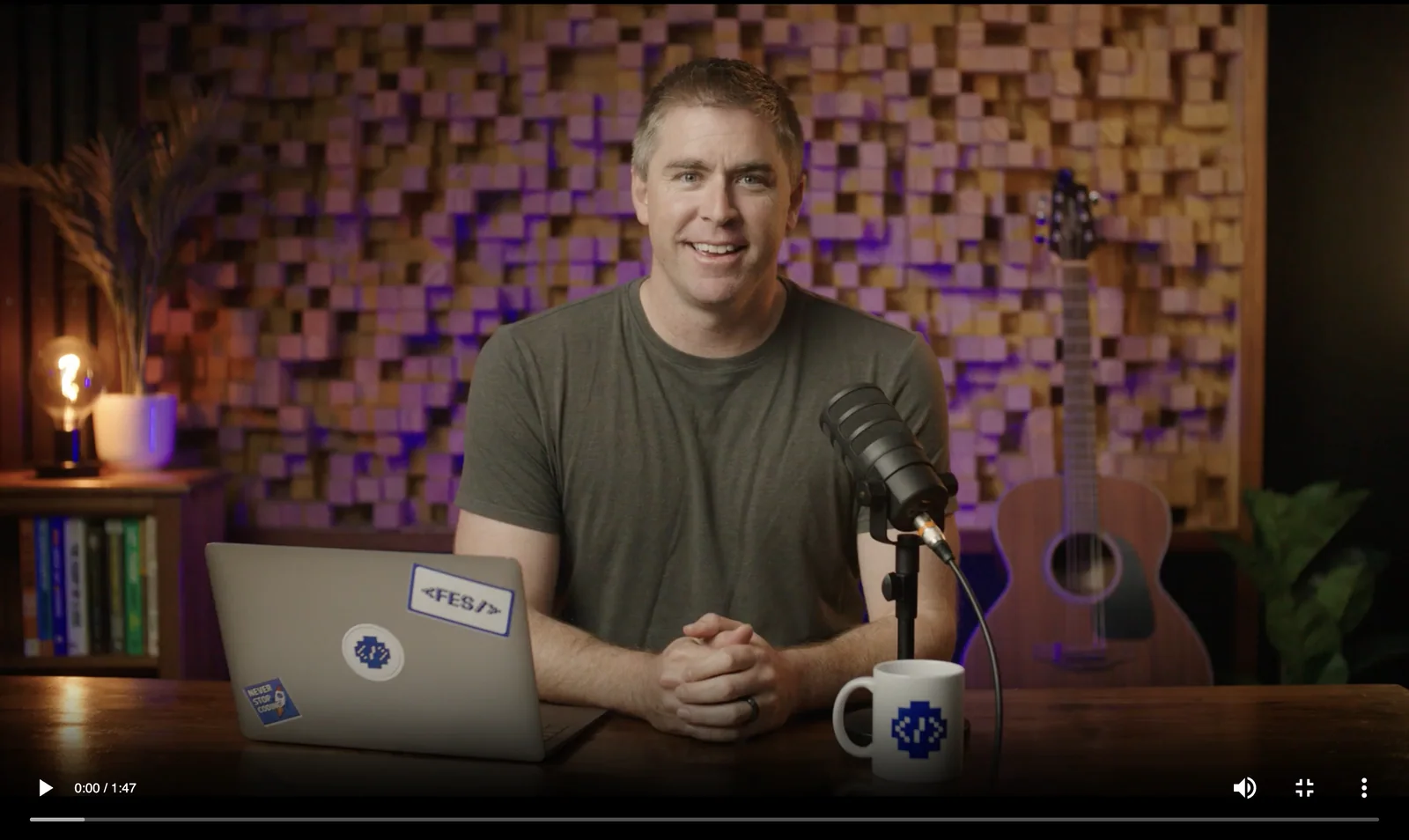
Eric Presnall presenting in studio
Proof, not promises

Retention, reach,
and repeat bookings.

Every figure below is taken from the client's own case study page.

HighGear presenter-led talking head video

HighGear

A single presenter-led video measured against published B2B retention benchmarks rather than internal opinion.

  • 59% average watched vs a ~50% benchmark
  • 105 sec average watch on a 3-minute video
  • 29% completion rate

Read the HighGear case study

OptiMonk presenter-led long-form video

OptiMonk

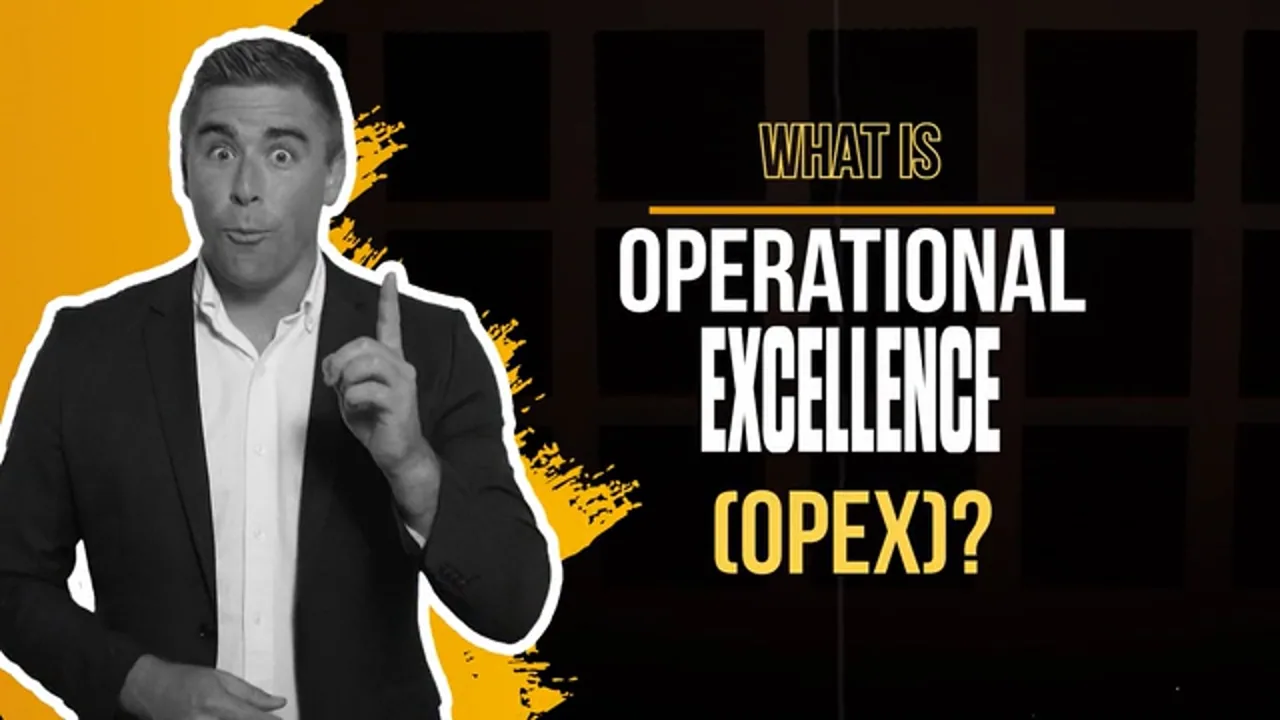
Presenter-led long-form built for a US expansion. Four of the channel's nine most-viewed uploads of all time came from this engagement.

  • 60,264 views on the top long-form video
  • 4 of 9 most-viewed uploads all time
  • 30+ videos delivered

"Working with Eric has been an absolute pleasure. He has proven to be an invaluable asset to our projects."

Barbara Bartucz, OptiMonk

Read the OptiMonk case study

Simplify LLC presenter-led video series

Simplify LLC

Three years, one presenter, 76 videos. The clearest available evidence for what consistency does to a channel over time.

  • 76 videos over 3 years
  • 3,650 channel subscribers
  • 13,430 views on the top performer

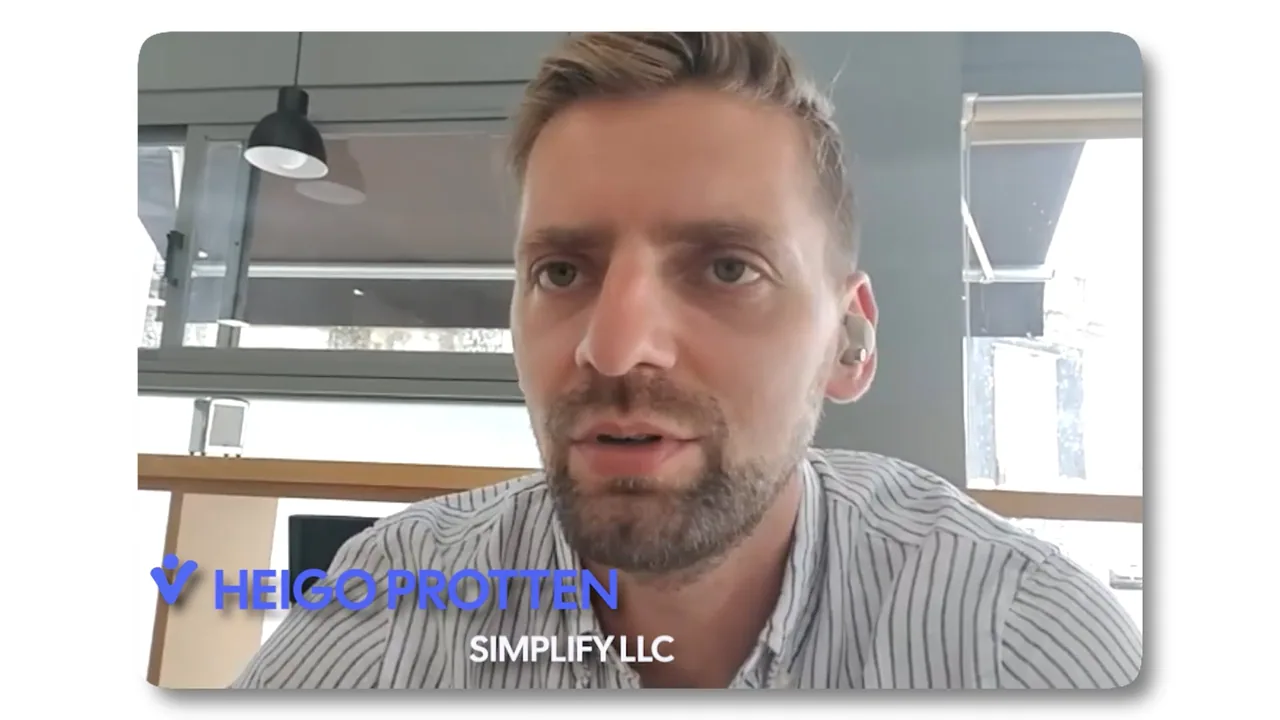
"We never imagined our videos would look this professional so quickly."

Heigo Protten, Simplify LLC

Read the Simplify LLC case study

How it runs

Script, shoot, deliver.

1. Brief

What the video has to achieve and who it is for. You do not need a shot list or any production vocabulary.

2. Script

Written for camera, which is a different job from writing for a page. You approve it before anything is filmed.

3. Shoot

My studio, my lighting, my camera. Batch several videos in one session if you have them, which is what makes per-video cost drop.

4. Deliver

Edited, captioned, cut to the formats you need. Unlimited revisions until it is right.

The benchmark

What good retention
actually looks like.

Wistia's industry data puts average engagement for B2B video at roughly 50%, meaning half the runtime watched on average. That is the number worth measuring against, not the raw view count, because views measure distribution and retention measures whether the video was any good.

Retention also degrades predictably with length. A sixty second video will hold a far higher percentage than a ten minute one, which is why comparing percentages across different lengths is misleading. HighGear's 59% came on a three minute video, where holding above half the runtime is genuinely difficult.

If you are testing whether talking head works for your audience, measure average watch time and completion rate rather than views, and compare like-for-like lengths. Those two numbers tell you whether the person on screen is holding attention or whether the traffic source is just sending you people who bounce.

Questions

Talking head video questions, answered

Is talking head video boring?

It is the least forgiving format, which is not the same thing. There is no animation or b-roll to carry a weak delivery, so a flat talking head is very visibly flat. Executed well it is the highest-trust asset you can publish, because the viewer is reading a face while it makes a claim.

Should our founder present, or should you?

Depends on the founder. If they are comfortable on camera and have the time, their face carries more authority than mine and I would rather coach them into it. If filming keeps getting postponed, that is a scheduling problem disguised as a preference, and a presenter solves it. We offer both routes deliberately.

How long should a talking head video be?

As long as the content genuinely requires and no longer. Retention falls predictably with length, so measure average watch time rather than percentage when comparing videos of different durations. HighGear held 105 seconds average on a three minute video.

Can you use our own footage or setting?

Yes. Some clients want the video shot in their office or alongside their team. Most prefer the controlled studio setup because it is faster, more consistent across a series, and does not require anyone to tidy a meeting room.

What about an AI avatar instead?

The entire value of a face is that a viewer believes it belongs to someone accountable for the claim. A synthetic presenter keeps the format and removes that. AI helps us edit and clip. It never appears on screen, and it never will.

Can you batch several videos at once?

Yes, and it is the single biggest lever on cost. Unilever took 14 videos in under two weeks. Critical Control took nine in under seven days. Batching a series into one session is far cheaper per video than commissioning them one at a time.

Put a person on screen who can hold it.

Tell me what the video has to do. I will tell you whether talking head is the right call.