$Tier 1
AI and DIY tools
Templates, synthetic voice, stock visuals. Fast and genuinely cheap. It also looks like everything else built the same way, and buyers can tell.
- Fine for internal use
- Weak for a buying decision
- No usage complications
Published benchmarks, the six things that move a quote, and five questions to ask any studio before you sign. No gate, no form, and no pretending there's one number. Part of our video production cost guides; paying for a presenter? See video spokesperson cost.
Trusted by teams at







The widest published benchmark is Wyzowl's survey. They asked 242 explainer video studios to quote a 60-second animated explainer. The median quote was $5,400. The raw average was $10,983, or $8,457 with the top and bottom 5% removed. Quotes ran from $600 to $250,000. Source: the Wyzowl explainer video cost survey.
The gap between the median and the average is the useful part. A few very large agency quotes drag the average up. Plan against the median.
Two caveats. The survey priced animation, not a real presenter. And none of these are VideoRep prices. They're here so you can judge any quote you get, ours included.
What each tier buys you, and what it doesn't.
Templates, synthetic voice, stock visuals. Fast and genuinely cheap. It also looks like everything else built the same way, and buyers can tell.
Quality swings hard on who you get. Usually one skill deep, so script, filming and edit can mean three people, coordinated by you.
Strategy, scripting and production from one accountable team. Where most serious B2B explainers sit.
Account management, brand strategy and scale. Often more process than one explainer needs.
The same 90 seconds can be a one-day shoot from a script you already approved, or weeks of positioning work, nine formats and a licensing conversation. One published number would overcharge the first and undercharge the second.
What we commit to before any call: a real presenter, a proper script, two revision rounds on every end-to-end video, and rework until it matches the brief you approved. A new client's first end-to-end video also carries a refund backstop. If it misses completely, you get your money back.
And if your budget really sits in the AI-tool tier, I'll tell you on the call. That costs you twenty minutes and saves everyone a bad engagement.
Every figure below is from the client's own case study page.
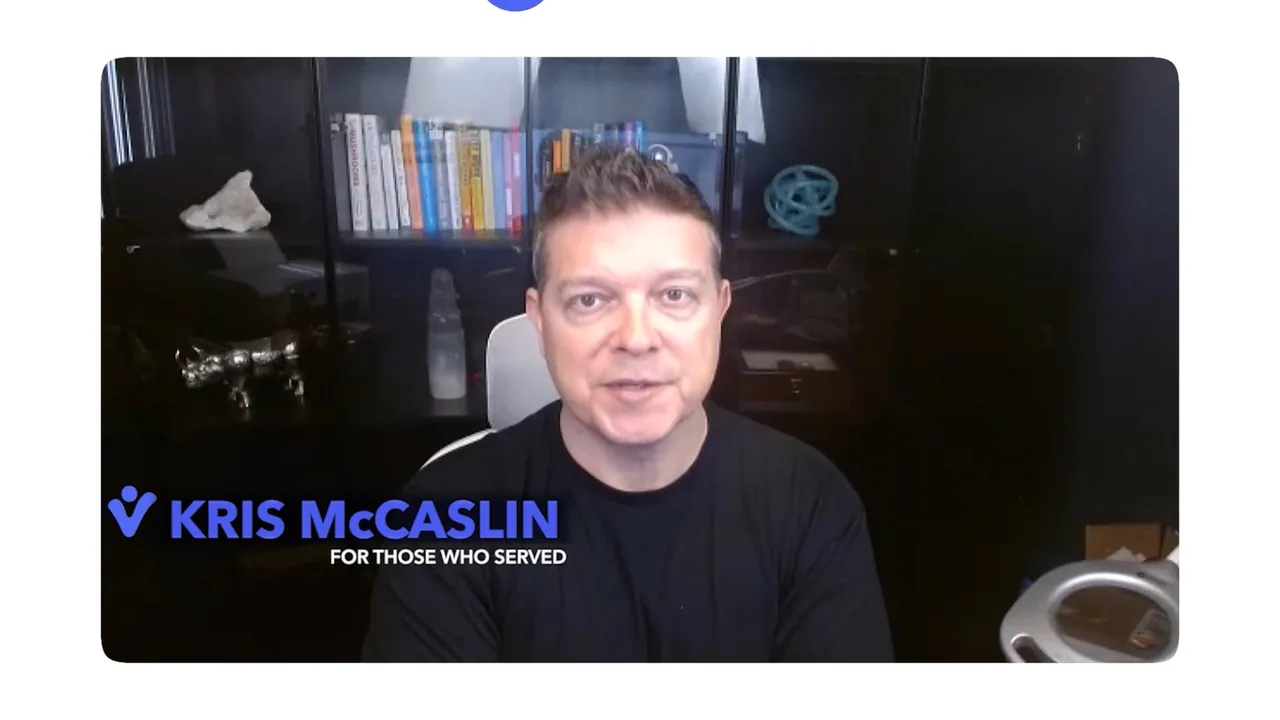
Four explainers for a veteran-focused launch, run through Prevail Agency.
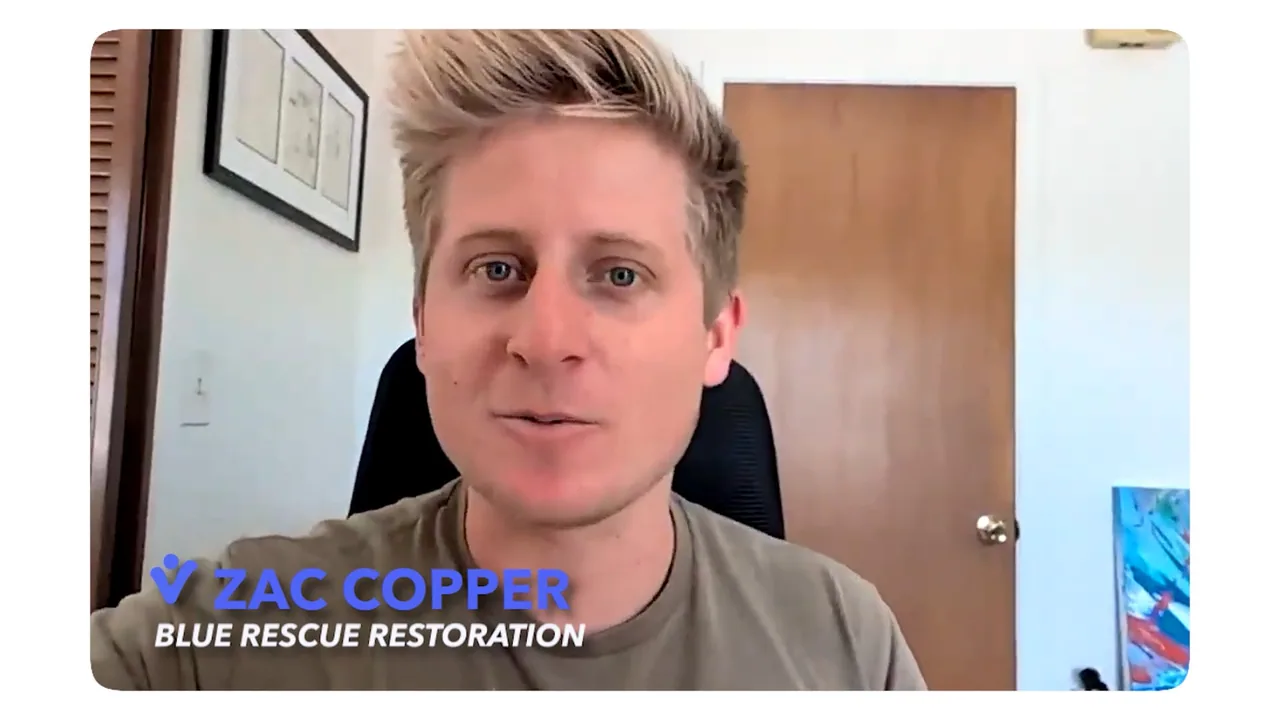
Nine launch videos for a brand-new service, without pulling the team out of operations.
"From the start, VideoRep understood exactly what we needed."
Zac Copper, CEO, Blue Rescue Restorations
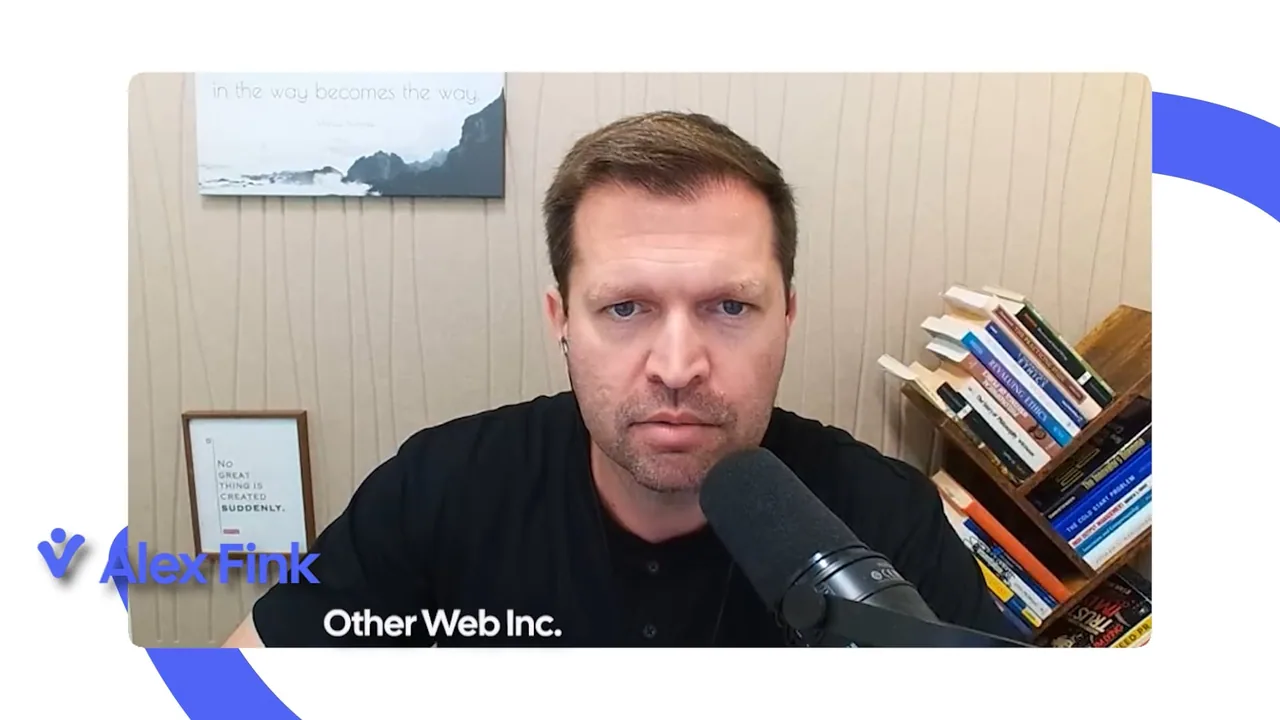
Two videos that replaced webcam recordings and rotating contractors.
"The very first video we received was one of our best assets."
Alex Fink, CEO, OtherWeb
The biggest swing. Arrive with an approved script and the quote drops. Ask a studio to find your positioning first, and you're paying for strategy work.
Animation is usually priced per second of motion, so cost scales with runtime. A presenter-led video is captured in a shoot, so length matters far less.
One master cut is one job. That cut plus square, vertical, a 15-second hook and three ad variants is a bigger one. Decide before you get quoted.
Check the round limit. A set number of rounds, then paid revisions, is common. That's where a cheap quote quietly gets expensive.
Web only, or paid media too? Forever, or twelve months? Talent licensing for ads is often a separate line, and the most common invoice surprise.
Rush work costs more almost everywhere, because it means reordering someone else's schedule. If your date is fixed, say so before the quote.
Ask these of every studio, us included. A vague answer tells you something.
1. How many revision rounds are included, and what does the next one cost?
2. Who owns the finished footage and the script?
3. Is paid media usage included, or licensed separately?
4. What happens if the first cut misses the brief?
5. Who actually does the work, and will you meet them?
Get the answers written into the quote, not buried in an email thread you'll be hunting for in four months.
Not ready for a call?
What to ask before you sign with anyone, including us. Free, no call required.
Because the same 90 seconds can be a one-day shoot from an approved script, or weeks of positioning work and nine formats. One published number would misprice one of them badly. We price by length and finish, and I share exact pricing on the fit call.
It depends on length. Animation is usually priced per second of motion, so a three-minute animated explainer costs far more than a one-minute one. A presenter-led video is captured in a shoot, so extra runtime adds much less. Short videos can favor animation. Past about 90 seconds, it often flips.
An approved script, one presenter, one shoot, one format, no extras. That's the floor for something you'd put on a homepage without wincing. Below that you're into template tools: fine for internal use, weak for a buying decision.
Get revision rounds, usage rights and format count written into the quote itself. Those three explain most of the gap between quoted and invoiced.
Usually, yes, and it's the lever most teams ignore. Filming several videos in one session spreads the setup across all of them. Unilever got 14 training videos in under 10 days. CostGuard got 9 launch videos in under 7 days.
No. Every dollar figure on this page is a published industry benchmark or a client's own saving, so you can judge any quote you get. Ours are priced by length and finish, and shared on the fit call.
Tell me the scope on a fit call. I'll give you a figure, or tell you honestly that we're not the right fit.